
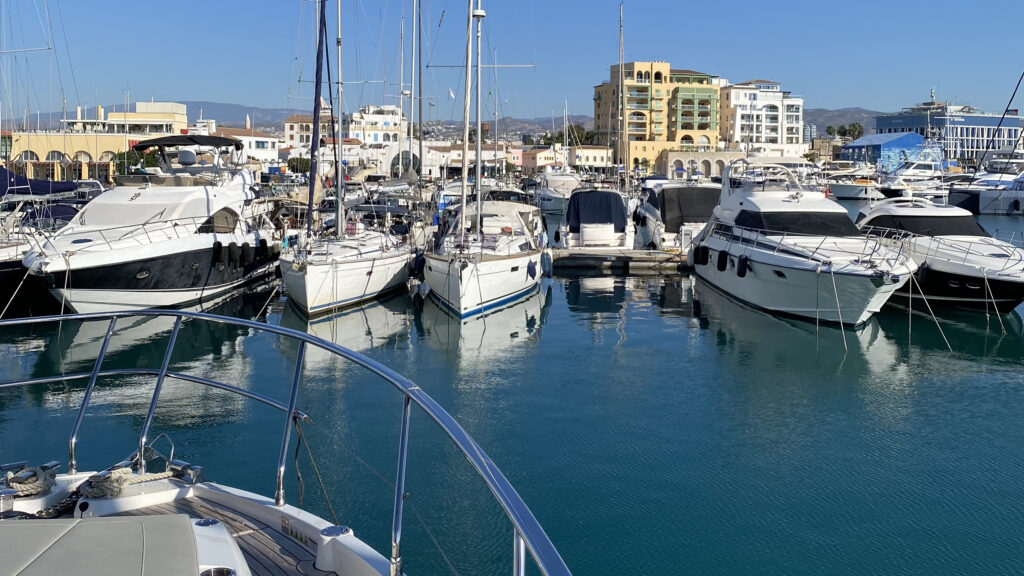
You know your yacht-and you know what normal fuel consumption looks like. You know roughly how much fuel she uses at cruising speed, how quickly she gets on plane and what the engines normally sound like.
So when the fuel numbers suddenly start looking different, it is worth paying attention.
A change in yacht fuel consumption does not necessarily mean there is a serious engine problem. Sometimes the explanation is surprisingly simple. The yacht may have spent longer than usual in the water, the hull may have accumulated marine growth, or cruising conditions may have changed.
In other cases, increased fuel consumption can be one of the first signs that something in the engine, fuel or propulsion system is no longer working as efficiently as it should.
The important question is not simply ”Why am I using more fuel?” but ”What has changed?”
Start Below the Waterline
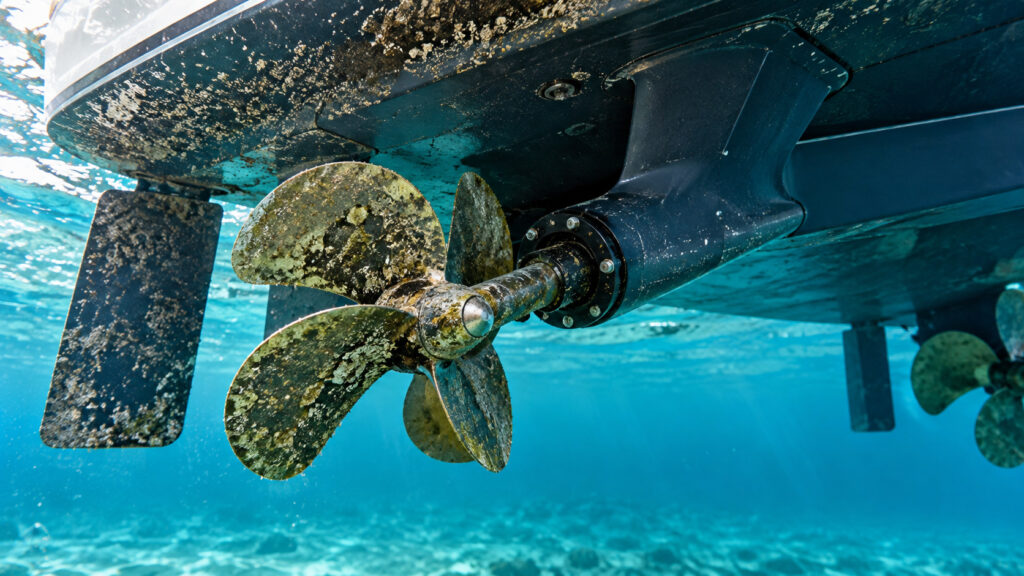
One of the first places worth looking is not inside the engine room at all. It is underneath the yacht.
A clean hull moves through the water with relatively little resistance. As marine growth builds up on the hull, it creates additional drag and makes the yacht work harder to move through the water. The engines then have to produce more power to maintain a speed that previously required less effort.
The propellers are particularly sensitive to this.
Marine growth on the blades changes the surface that is moving through the water. Even when the engines appear to be running normally, the yacht may accelerate more slowly or require higher RPM ( Revolutions Per Minute) to achieve its usual cruising speed.
This is one reason an owner can notice higher fuel consumption without seeing an obvious engine fault.
Antifouling condition also matters. Its purpose is not simply to make the bottom of the yacht look clean when she is lifted out of the water. A properly maintained underwater surface has a direct effect on how efficiently the yacht moves.
How Engine Condition Affects Yacht Fuel Consumption
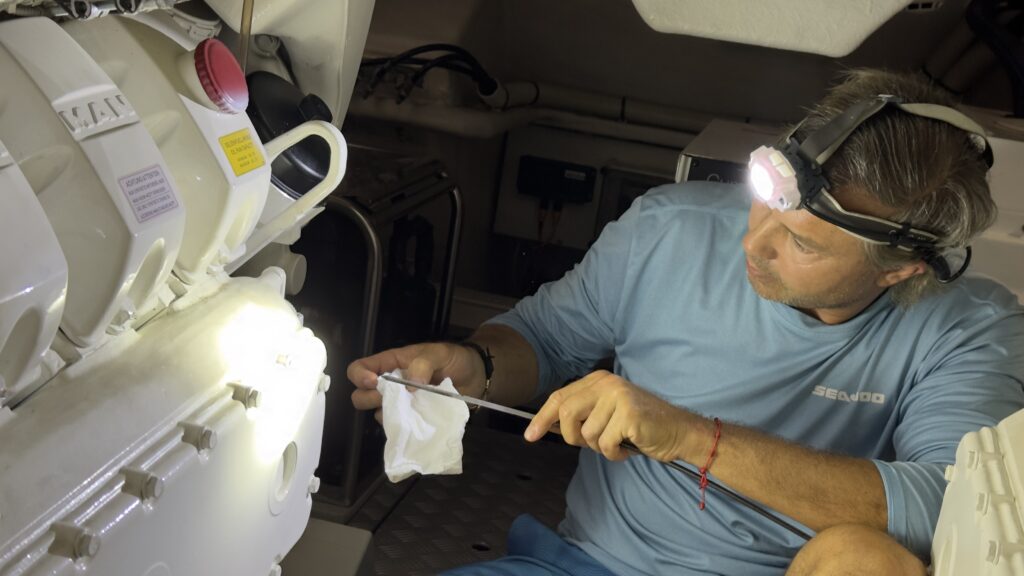
If the underwater condition is good, the next question is whether the engines are operating as they normally do.
Engines rarely go from perfect operation to complete failure overnight. Quite often there are smaller changes first: the yacht takes a little longer to reach cruising speed, the engines feel different under load, the RPM is not quite where it normally sits, or fuel consumption gradually begins to rise.
This is where maintenance history becomes useful.
Engine oil, air intake, filters, injectors and other components all contribute to the combustion process. When one part of that process is compromised, the engine may still run, but not necessarily at its best efficiency.
Looking at fuel consumption together with engine behavior gives an engineer much more information than looking at either one separately.
Don’t Overlook the Fuel System
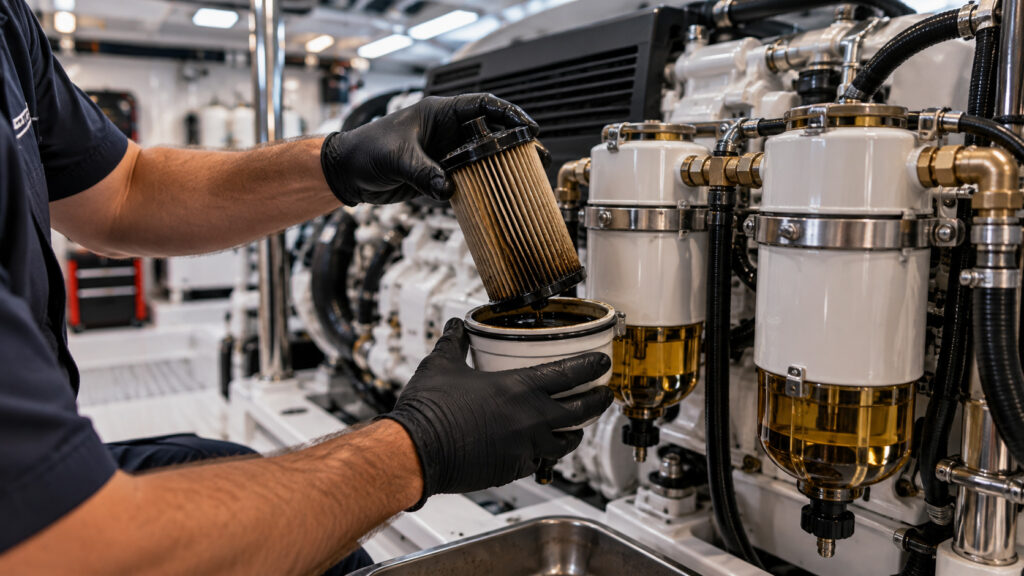
Fuel has to reach the engine cleanly and consistently.
Yacht fuel can become contaminated by water or other impurities. Filters and water separators are there for exactly this reason.
As a filter becomes contaminated, fuel flow can be affected. The symptoms are not always dramatic enough for an owner to immediately think, ”fuel system problem”.
Instead, the yacht may simply feel slightly different under acceleration or load.
This is why changing filters is more than a routine item on a service schedule. The condition of a removed filter can also tell an engineer something about what has been happening within the system.
If yacht fuel consumption has changed together with engine performance, inspecting the fuel system is a logical part of finding the cause.
The Propeller Can Change the Whole Picture
A propeller doesn’t need to be badly damaged to affect performance.
A small bend, damaged edge or change to the blade surface can alter the way it moves water. That difference may then appear elsewhere as vibration, reduced acceleration, lower speed or increased engine load.
From the helm, you may simply notice that the yacht requires more power to maintain its usual performance.
That detail is important. If the engines have to work harder to produce the same result, fuel consumption naturally follows.
The propeller, shaft, drive and other underwater components therefore need to be considered as part of the complete propulsion system rather than independently from the engines.
Sometimes Nothing Is Wrong With the Yacht
Not every higher fuel reading requires a repair.
A heavily loaded yacht will behave differently from a lightly loaded one. Full water and fuel tanks, additional equipment, tenders and provisions all add weight.
Conditions outside the yacht matter too. So before comparing today’s fuel consumption with a previous trip, it makes sense to ask whether the yacht was actually operating under comparable conditions.
This distinction helps separate a genuine change in performance from normal variation.
Look at the Yacht as a Complete System
This is where diagnostics becomes more useful than guessing.
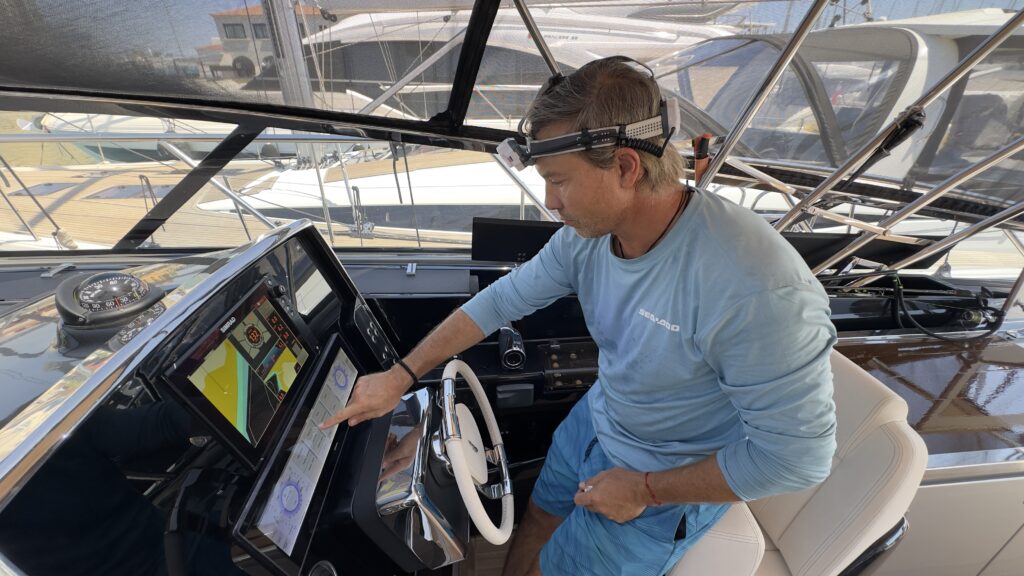
A modern yacht provides a considerable amount of Information through its engine and onboard systems. RPM, engine load, temperatures, fuel data and warning history can all help build a clearer picture of what is happening.
But numbers alone do not always provide the answer.
An engineer can compare what the electronic systems are reporting with the physical condition of the engines, fuel system and propulsion equipment. That combination often makes it possible to understand whether the yacht is simply operating under different conditions or whether there is something that deserves closer attention.
When Higher Yacht Fuel Consumption Deserves Attention
A single trip with higher fuel consumption is rarely enough to draw conclusions.
If you are using the yacht in similar conditions, at approximately the same cruising speed and with a comparable load, but consumption remains noticeably higher than it used to be, there is a reason for the difference.
The cause might be underwater growth. It might be a propeller issue, fuel restriction or something within the engine system.
Either way, finding the cause is more useful than simply accepting the new fuel figures as normal.
Yacht Diagnostics and Maintenance in Limassol, Cyprus
At Loy Yacht Services, we work with yacht owners in Limassol to investigate changes in performance and understand what is actually causing them.
If your yacht has started using noticeably more fuel, is taking longer to reach cruising speed or simply feels different from the way she normally operates, it may be time to take a closer look.
Contact LOY Yacht Services for yacht diagnostics, maintenance and technical support.