
Saltwater is part of everyday life for yachts in Cyprus, but it also creates a challenging environment for underwater metal components. Propellers, shafts, rudders and other submerged fittings are constantly exposed to seawater. Without suitable protection and regular maintenance, galvanic corrosion can damage important equipment.
Yacht anodes in Cyprus play an essential role in protecting these components. Although sacrificial anodes are relatively small and inexpensive compared with the equipment they help protect, their condition should never be overlooked.
Understanding how yacht anodes work, when they need replacing and what to check during a haul-out can help yacht owners make informed maintenance decisions.
What Are Sacrificial Anodes on a Yacht?
Sacrificial anodes are specially selected metal components installed to help protect other underwater metals against galvanic corrosion.
They are commonly made from zinc, aluminium or magnesium alloys. The correct material depends on the operating environment, the metals being protected and the yacht manufacturer’s specifications. For yachts operating in seawater, suitable zinc or aluminium anodes are commonly used.
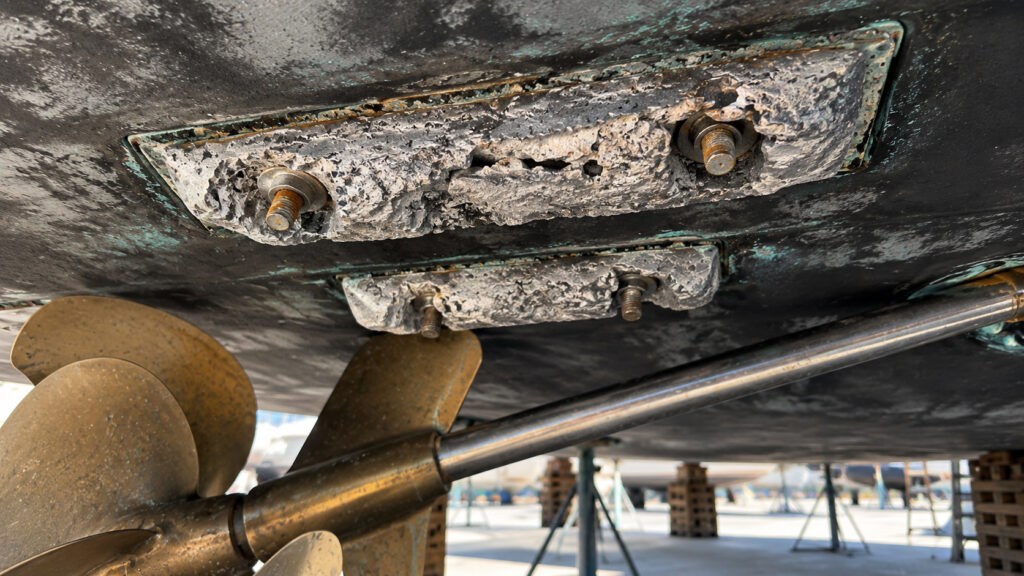
Anodes are designed to corrode preferentially. Instead of allowing galvanic corrosion to attack more valuable connected metal components, the anode gradually loses material.
This is why a worn anode is not automatically a sign that something has gone wrong. Controlled deterioration is part of its purpose. However, excessive consumption, uneven wear or an anode that remains almost untouched for an unusually long period may warrant further investigation.
What Do Yacht Anodes Protect?
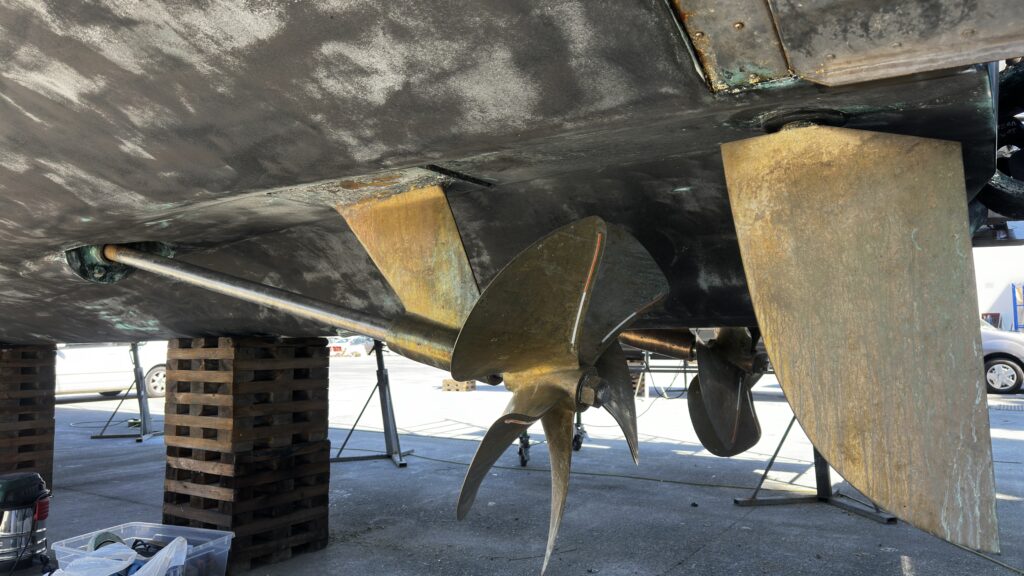
Depending on the yacht’s construction and electrical bonding system, sacrificial anodes can help protect several underwater metal components. These may include propellers, propeller shafts, rudders, trim tabs and parts of the thruster system.
Each yacht has its own protection arrangement. Some components have dedicated anodes, while others are connected to a wider bonding system. During an inspection, it is important to check not only the condition of the anodes but also whether the relevant underwater equipment is properly protected.
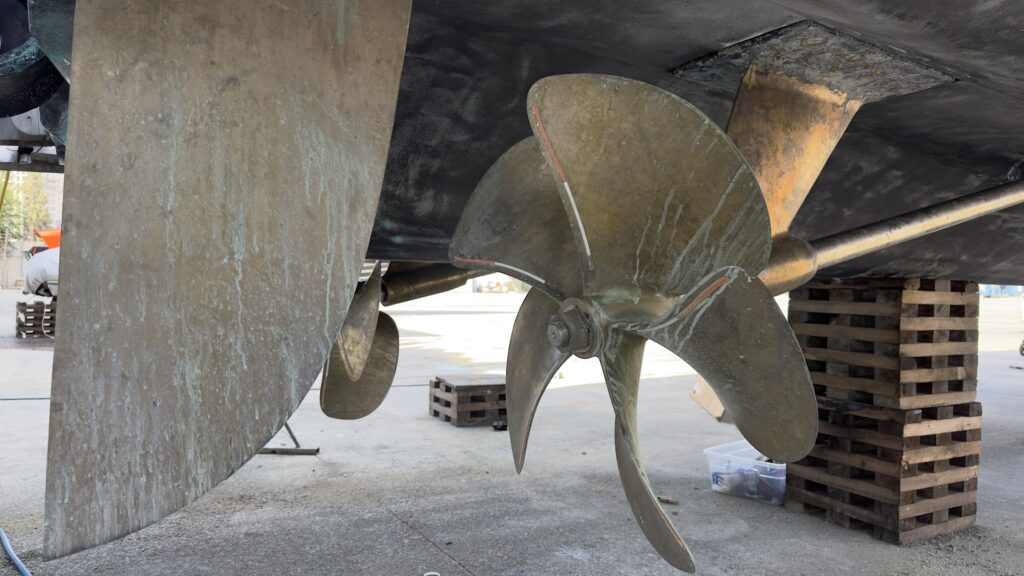
A propeller or shaft is considerably more expensive to repair or replace than a sacrificial anode. Regular inspection of the protection system is therefore an important part of preventive yacht maintenance.
How Do Sacrificial Anodes Work?
When dissimilar metals are electrically connected and immersed in an electrolyte such as seawater, galvanic corrosion can occur. The more active metal corrodes preferentially.
A sacrificial anode uses this principle deliberately. Its alloy is selected so that it corrodes before the metal component it is intended to protect.
For an anode to work effectively, it must be correctly selected, installed and electrically connected to the relevant equipment. Simply attaching an anode to the hull does not guarantee that every underwater component is protected.
The anode must also have sufficient exposed surface area. Painting over an anode or installing an unsuitable replacement can interfere with its protective function.
When Should Yacht Anodes Be Replaced?
There is no single replacement schedule suitable for every yacht. Anode consumption depends on several factors, including the alloy, installation, time spent in the water, electrical bonding arrangement and local operating conditions.
As a general maintenance guideline, many anode manufacturers recommend replacement when approximately half of the original material has been consumed. Always follow the specific manufacturer’s instructions and the recommendations for the vessel.
Signs That an Anode Needs Attention
During an inspection, the technician checks how much of the original anode material remains. Deep pitting, uneven deterioration and significant material loss can indicate that replacement is necessary. The mounting hardware also needs attention, as loose fittings or poor electrical contact may prevent an anode from working effectively.
The rate of deterioration is equally important. An anode that wears away unusually quickly may require further investigation. However, an anode that shows almost no wear after an extended period should not automatically be considered a good sign. It may indicate that the protection system is not functioning as intended.
The condition of an anode should always be assessed together with the surrounding underwater equipment. Its appearance alone cannot establish the cause of unusual wear, which is why a closer technical inspection may be necessary.
Why Regular Anode Inspections Matter in Cyprus
Yachts based in Limassol and other marinas around Cyprus spend long periods in a marine environment. Even when a vessel is not being used frequently, its submerged metal components remain exposed to seawater.
Regular checks help owners identify anode consumption before the protection becomes insufficient. Inspection intervals should reflect the yacht’s usage, its existing maintenance schedule and any previous corrosion-related findings.
Where practical, anodes can be checked during scheduled underwater inspections. A haul-out provides a more complete opportunity to examine their condition, mounting points and nearby equipment.
For yacht owners planning seasonal maintenance, anode inspections can be scheduled alongside antifouling, propeller checks and other underwater maintenance work.
What Should Be Checked During a Haul-Out?
A haul-out gives technicians direct access to areas that are difficult to inspect while the yacht is afloat.
In addition to examining sacrificial anodes, an underwater inspection may include the propellers, shafts, rudders, trim tabs, thrusters and visible hull fittings.
Technicians can check the condition of existing anodes, confirm that the correct replacements are specified and assess whether their wear appears consistent with previous inspections.
They can also look for damage, marine growth, surface deterioration and other conditions requiring maintenance.
The aim is not simply to replace worn parts. It is to understand the condition of the yacht’s underwater equipment and identify any issues that need further investigation.
Signs That Underwater Components Need Attention
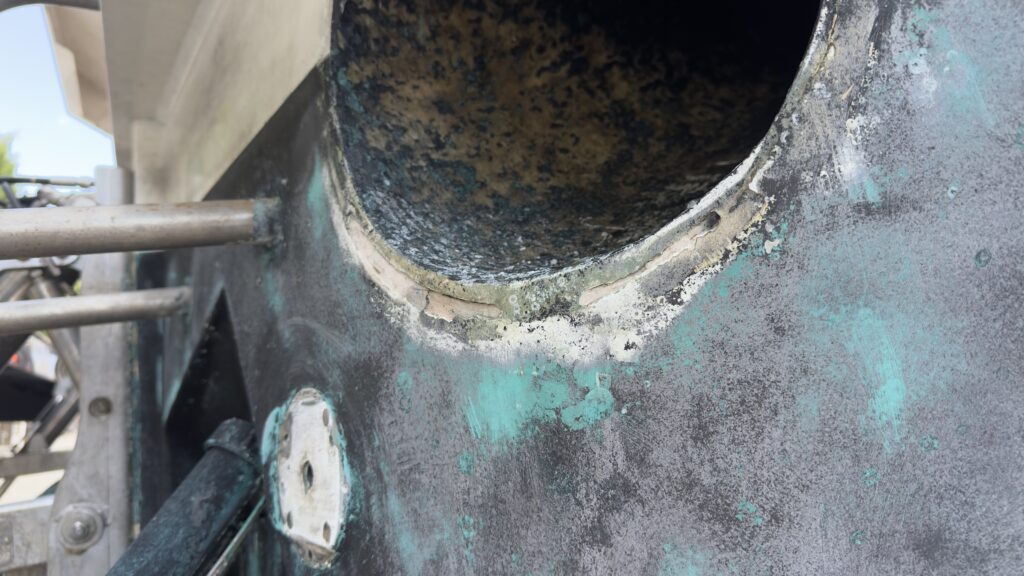
Corrosion protection is only one part of underwater yacht maintenance. Changes in the appearance of metal fittings, damaged coatings, unusual deposits or deterioration around mounting points may indicate that a closer inspection is necessary.
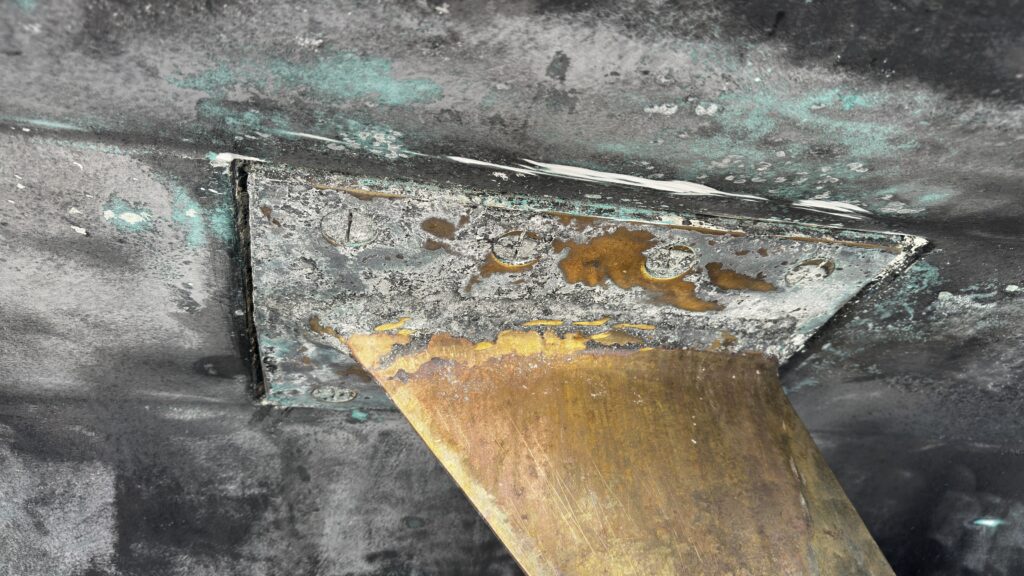
During an inspection, technicians look beyond the anodes to assess the condition of nearby underwater equipment. Damaged protective coatings, deterioration around mounting points and unusual deposits on metal fittings may all require attention.
If any concerns are identified, further checks may include the condition of electrical connections, bonding continuity and the relevant underwater components. This helps determine what maintenance is needed before the yacht returns to the water.
Choosing the Right Anodes for Your Yacht
Anode selection should be based on the vessel’s specifications and operating conditions, not simply on the shape or size of the existing part.
The correct replacement must have a suitable alloy, dimensions, mounting arrangement and electrical connection. Mixing incompatible materials or installing anodes without checking the protection system can reduce effectiveness.
For yachts operating in Cyprus, a technician should verify the manufacturer’s requirements and assess the vessel’s existing arrangement before replacement.
Anodes must remain unpainted and should be checked after installation to ensure they are secure and have the required electrical contact.
Yacht Anode Inspection and Technical Support in Limassol
Regular maintenance is the most practical way to keep track of the condition of underwater yacht equipment. Anode inspections are especially useful when combined with scheduled haul-outs and wider technical checks.
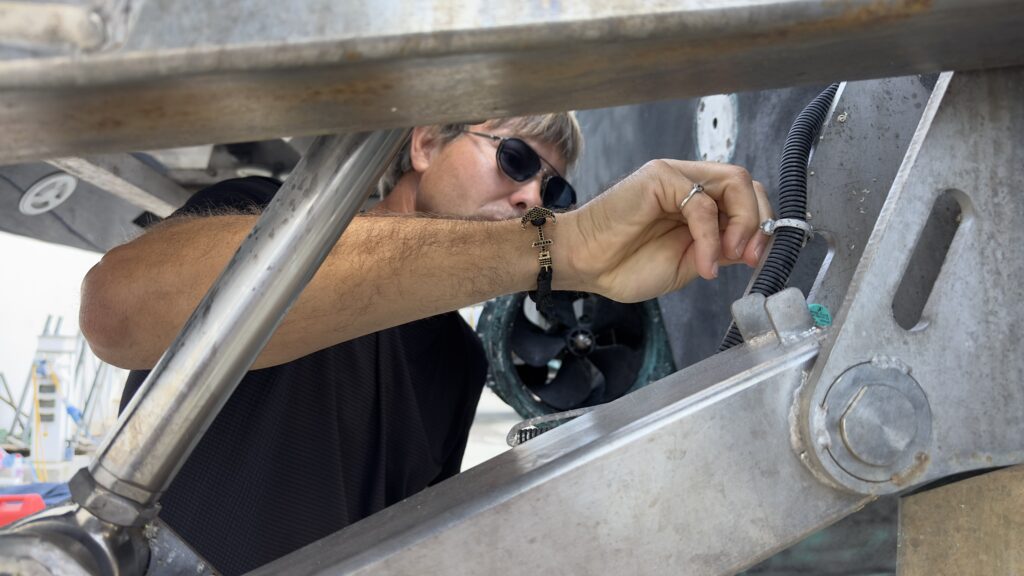
LOY Yacht Services provides yacht technical support and maintenance assistance in Limassol, Cyprus. Underwater equipment inspections can form part of a broader maintenance plan, helping owners understand which components require attention and which work should be prioritised.
Whether you are preparing for a haul-out, reviewing your yacht’s maintenance schedule or concerned about unusual anode wear, a professional inspection can help determine the appropriate next steps.
Protect Your Yacht with Regular Underwater Inspections
Regular underwater inspections help identify worn anodes and potential maintenance issues before they lead to more extensive repairs.
Planning a haul-out or concerned about the condition of your yacht’s underwater equipment? Contact LOY Yacht Services in Limassol to arrange a technical inspection and discuss the next steps.