
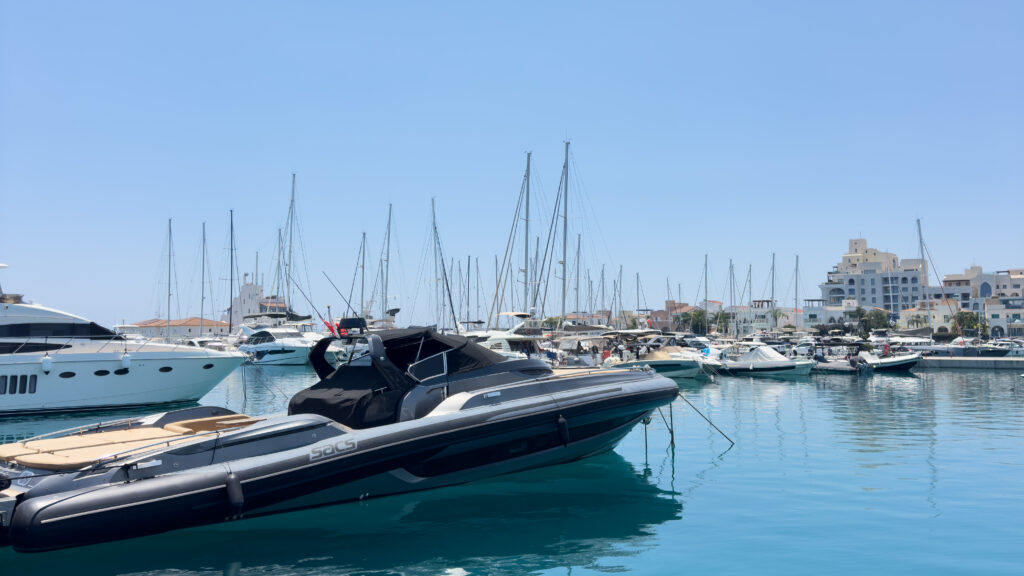
A yacht maintenance checklist helps yacht owners keep essential systems in good condition and identify potential problems before they become expensive repairs.
In Cyprus, regular maintenance is especially important due to year-round sun, heat and saltwater exposure. Whether your yacht is used regularly or spends long periods in the marina, routine checks can help keep it safe, reliable and ready for use.
1. Yacht Maintenance Checklist: Engine and Mechanical Systems
The engine room should be one of the first areas included in any yacht maintenance routine.
Before heading out, check engine oil and coolant levels and inspect the engine room for signs of leaks. Hoses, clamps, belts and connections should also be checked regularly for deterioration.
Engines and generators should be serviced according to the manufacturer’s recommended intervals.
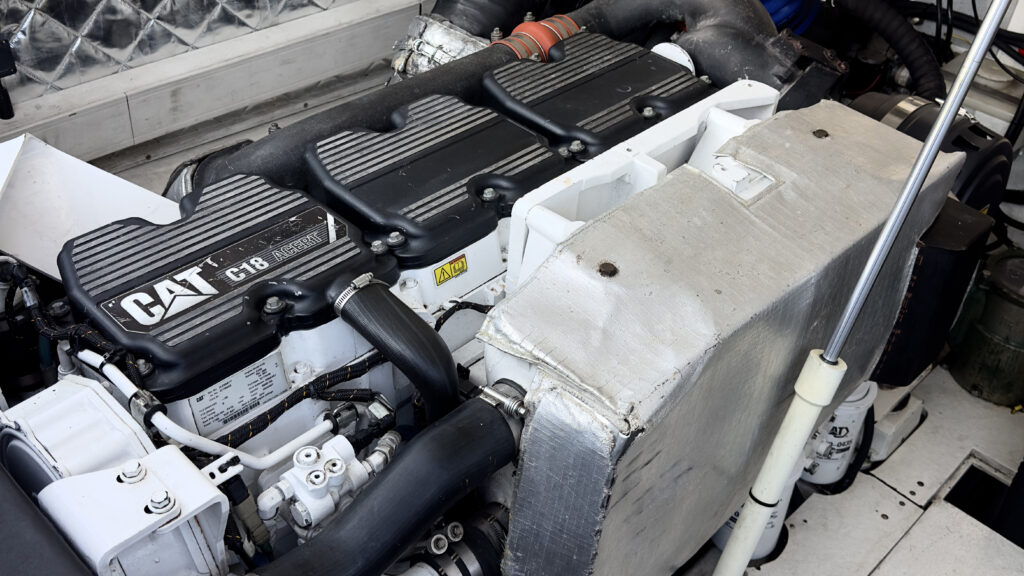
Regular inspections are particularly important because discovering a mechanical problem while the yacht is still in the marina is considerably easier than dealing with one at sea.
2. Electrical and Battery Systems
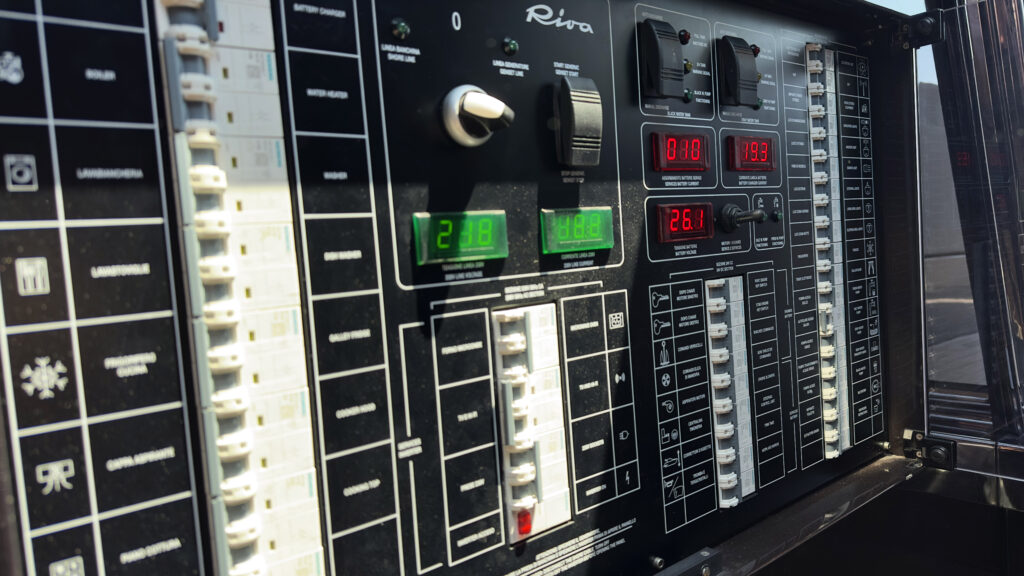
Modern yachts depend heavily on their electrical systems. Batteries, navigation equipment, pumps, lighting, air conditioning and many onboard systems require a stable electrical supply.
Battery condition and charging levels should therefore be monitored regularly. Electrical connections should also be inspected for corrosion, loose terminals or other signs of deterioration.
Battery voltage and charging performance, navigation and exterior lights, bilge pumps, alarms and monitoring systems should all be checked as part of regular yacht maintenance. It is also important to make sure that essential onboard electrical equipment is operating correctly.
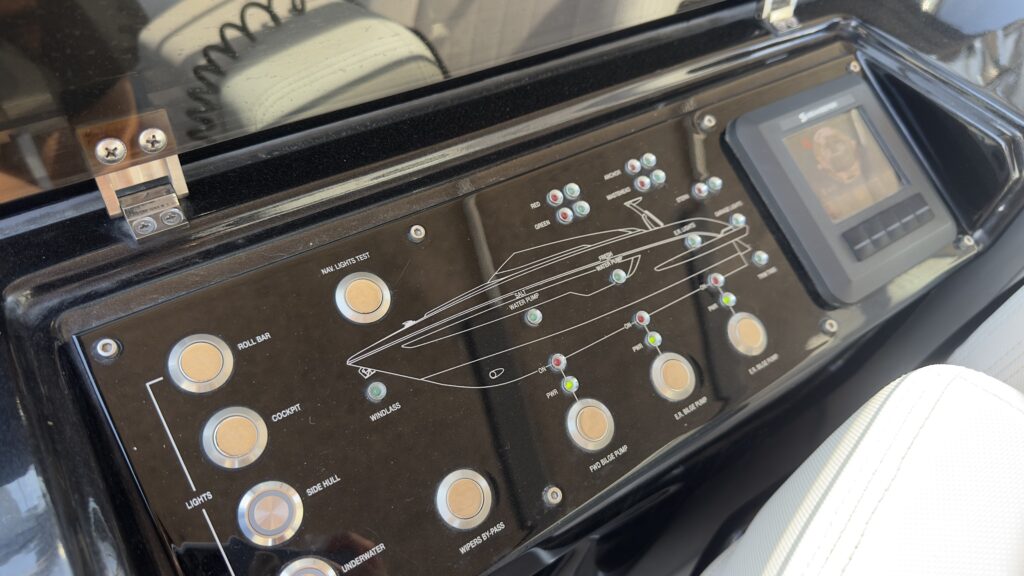
Salt and humidity can be particularly hard on marine electrical systems, so early detection of corrosion, damaged connections or irregular readings can help prevent more serious problems later.
3. Hull, Propellers and Running Gear
Not all yacht maintenance happens onboard. The underwater parts of the vessel require regular attention too.
The hull should be inspected for damage, excessive marine growth or deterioration of coatings. Propellers, shafts and running gear should be checked for visible damage, fishing line and other obstructions that could affect their operations.
Anodes are another important part of the inspection because they help protect underwater metal components from galvanic corrosion. Their condition should be checked whenever the yacht is lifted from the water.
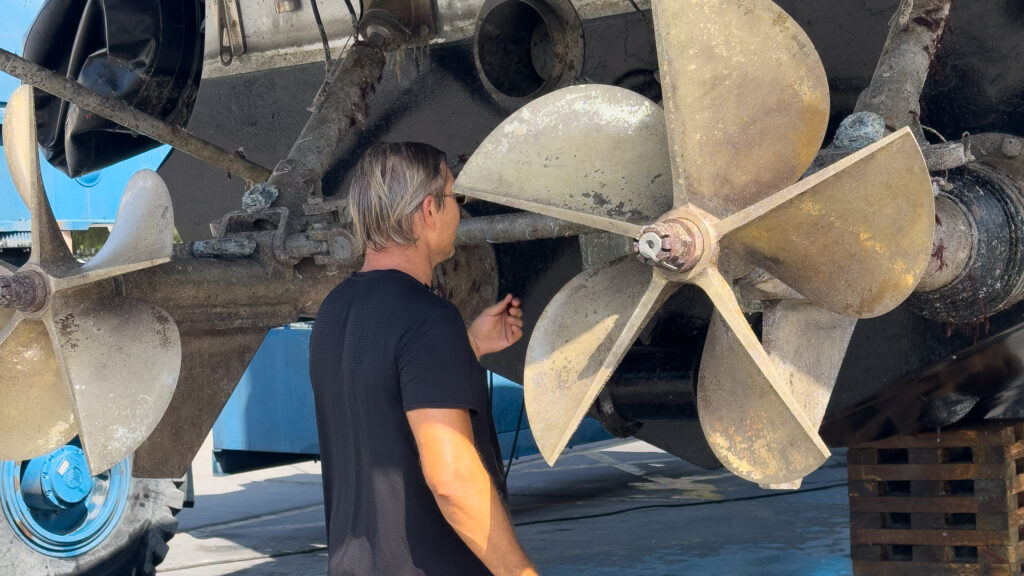
When the yacht is lifted out of the water, it is a good opportunity to perform a more detailed inspection of the hull, propellers, shafts and other areas that cannot normally be seen while the vessel is afloat. Identifying wear or damage at this stage can help prevent more expensive repairs later.
4. Deck and Exterior Maintenance
The Mediterranean climate can be demanding on a yacht’s exterior. Strong UV exposure, salt and heat gradually affect paintwork, stainless steel, seals, teak and deck equipment.
After cruising, saltwater should be rinsed from the deck and exterior surfaces whenever possible. Deck fittings, hardware, railings and stainless-steel components should be inspected regularly, together with mooring lines and fenders. Seals around windows and hatches also deserve attention, as deterioration can eventually allow water to enter the interior.
The anchor, windlass and associated equipment should be checked periodically, while any visible damage to the hull or superstructure should be investigated rather than left until the next major service.
5. Safety Equipment
Safety equipment should never be treated as something that is checked only when an inspection is due. It should a part of regular yacht maintenance, particularly before longer trips or the start of a busy cruising season.
Life jackets, fire extinguishers and emergency equipment must be accessible and in serviceable condition. Expiry and service dates should be monitored carefully, and equipment should be serviced or replaced when required.
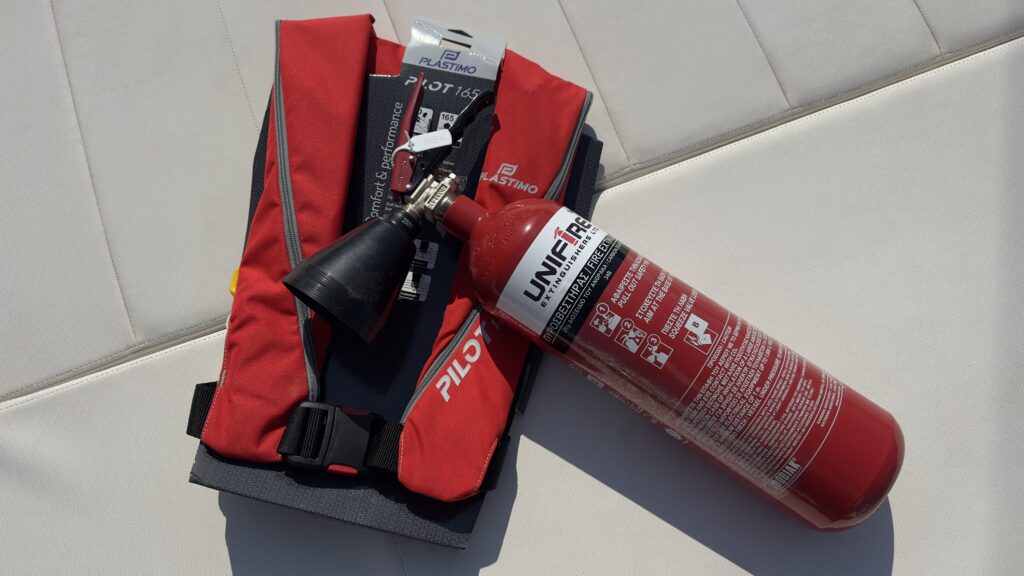
Smoke and CO alarms should be tested, together with navigation lights and relevant communication equipment. Lifebuoys and other emergency equipment should also be checked to make sure they are correctly positioned, accessible and ready for use.
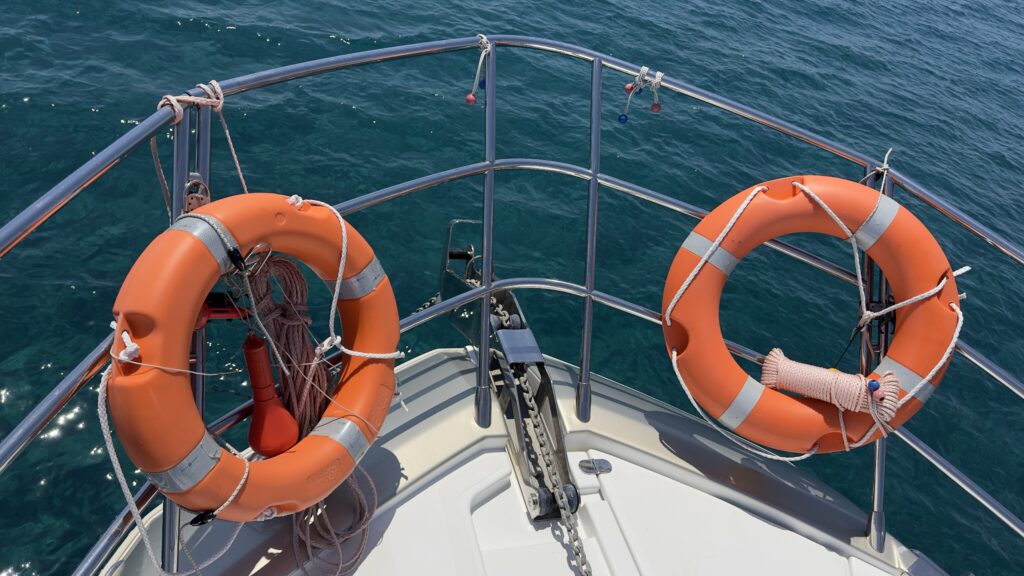
A few minutes spent checking equipment can make an enormous difference in an emergency. These checks are therefore an important part of any comprehensive yacht maintenance checklist.
How Often Should a Yacht Be Checked?
There is no single maintenance interval that applies to every yacht. The correct schedule depends on the vessel, its equipment, engine hours, frequency of use and the recommendations of individual equipment manufacturers.
Some basic checks should be performed before every trip, while other maintenance may be required weekly, monthly, seasonally or after a specified number of engine hours. Yachts that are used frequently may naturally require more regular attention than vessels that spend longer periods in the marina.
Keeping a maintenance log is a simple but effective habit.
Professional Yacht Maintenance in Cyprus
Preventative maintenance is usually more efficient and cost-effective than waiting for equipment to fail. Regular attention can also help yacht owners avoid unexpected problems just when they are preparing to use their vessel
Loy Yacht Services provides yacht maintenance and technical support in Limassol Marina, helping yacht owners with mechanical systems, onboard equipment, inspections and routine maintenance requirements.
Need Yacht Maintenance in Limassol?
If your yacht needs a routine inspection, maintenance or technical assistance, contact Loy Yacht Services to discuss what your vessel needs.
📞 +357 95 92 93 42 or leave us a message through our Contact Us page.
📍 Limassol Marina, Cyprus